 Social media
Rivet · Music technology
Fifty artist interviews rewrote the pitch. The podcast built the network.
Rivet was an early-stage platform for independent artists. It could describe its features clearly and its value badly, and onboarding lost people before they understood what it was for. I was head of digital marketing for six months in 2023: the research, the messaging and the show.
 Artist interviews
 A new pitch
 A weekly podcast
 A network
Six months as head of digital marketing
- Client
- Rivet, where I worked in-house
- Sector
- Music technology
- Built
- Customer research, a positioning report, onboarding copy and a weekly podcast
- Status
- In-house role, July to December 2023
The problem
Clear features, unclear value, and onboarding that lost people.
Artists could see what the product did and still not know why they should care. The sign-up flow asked for effort before it explained the payoff, so people left in the first minutes.
The team had opinions about the message. What it did not have was fifty artists on the record saying what they were trying to do.
What I built
Ask the artists, write it down, then put the company on air.
Two tracks at once: a research program that fed the messaging, and a podcast that put the co-founders in conversation with the people they wanted on the platform.
- 01Interview more than 50 artists and usersUX and customer interviews with independent musicians about what they were trying to get done, recorded and written up.
- 02Turn it into one positioning reportWho the product is for, what it should promise, and the words artists use for it. A report, not a slide of quotes.
- 03Rewrite onboarding and the messagingThe sign-up flow and the site copy rewritten around what artists said, so the value shows before the effort.
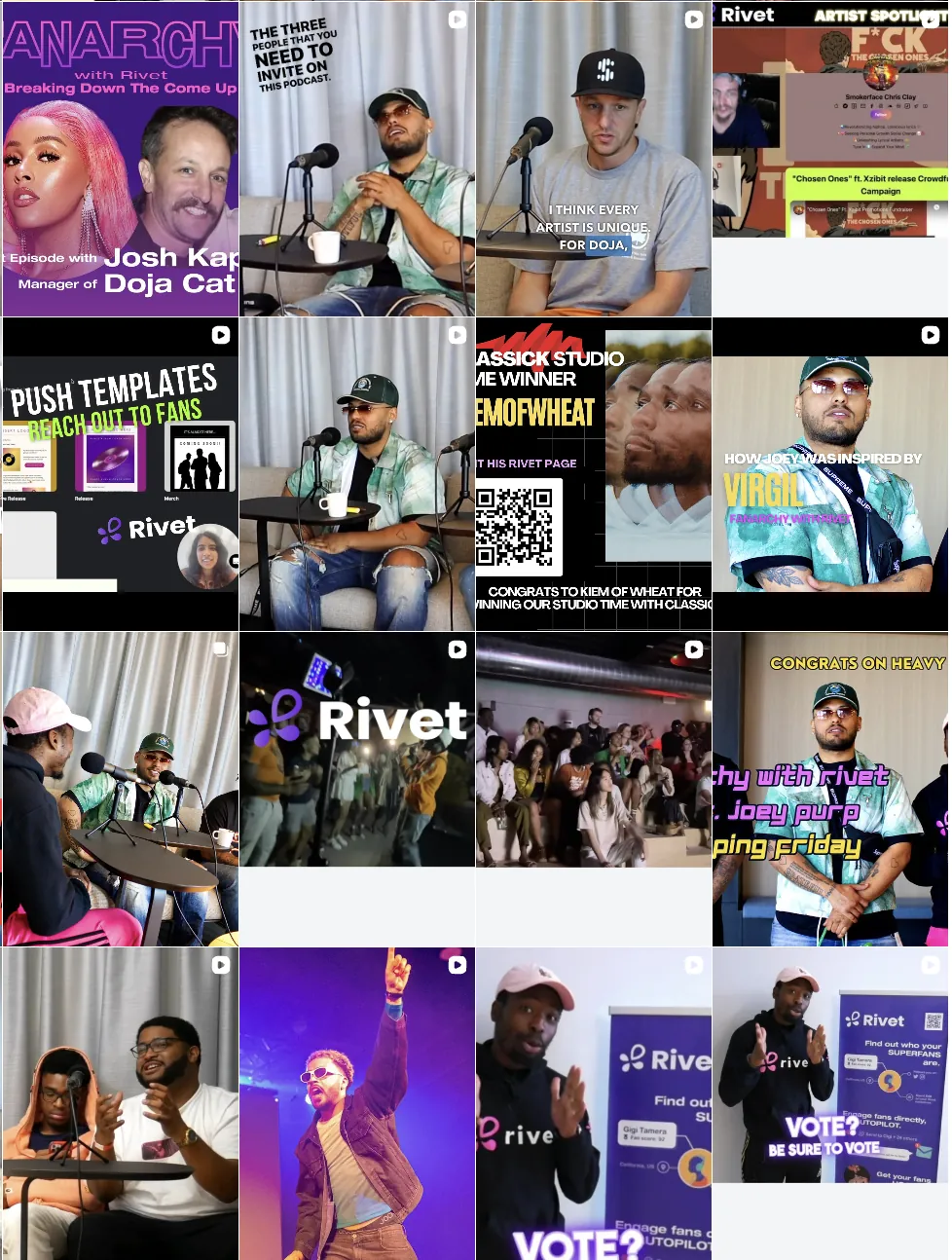
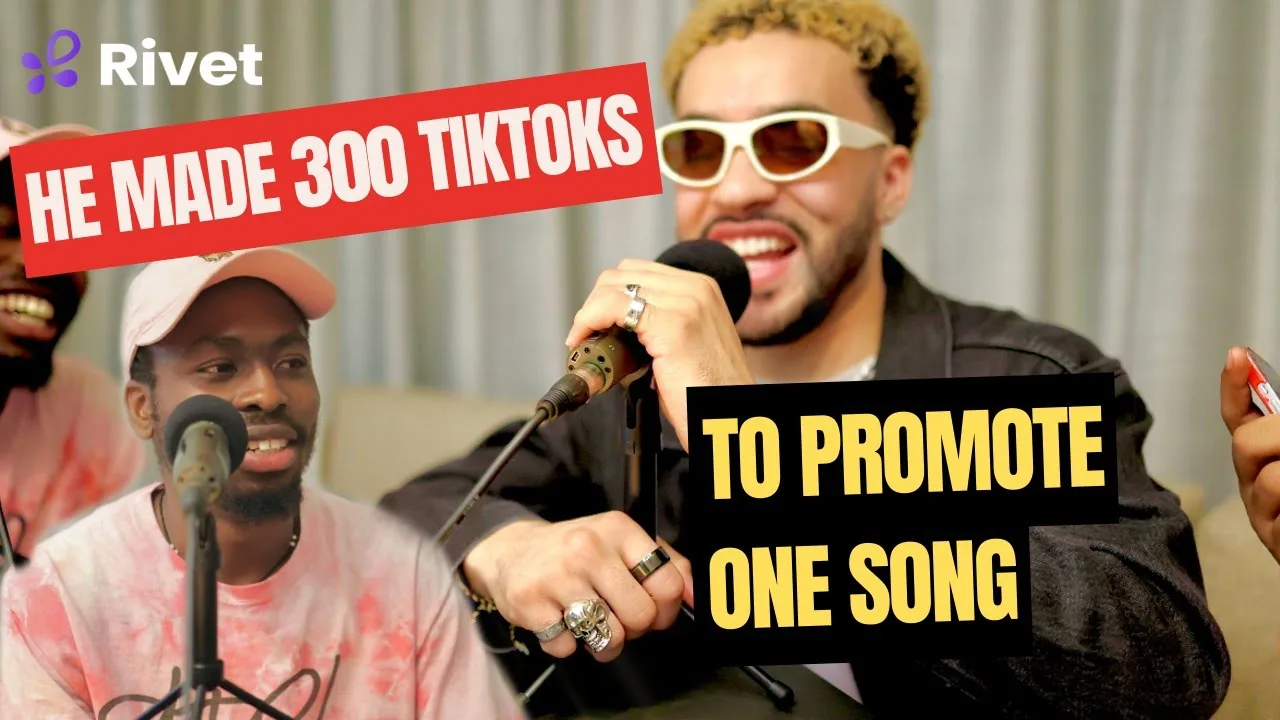
- 04Produce Fanarchy with Rivet every weekGuest research, the questions, the recording, the edit and the distribution, with the co-founders hosting. Fourteen long-form episodes.
- 05Cut the clips and the explainersShort clips from every episode, and product explainer reels with the co-founders for Instagram and YouTube.
What changed
The research became the pitch. The guests became the network.
The positioning report became the company's go-to-market messaging, and the onboarding copy was rewritten from it.
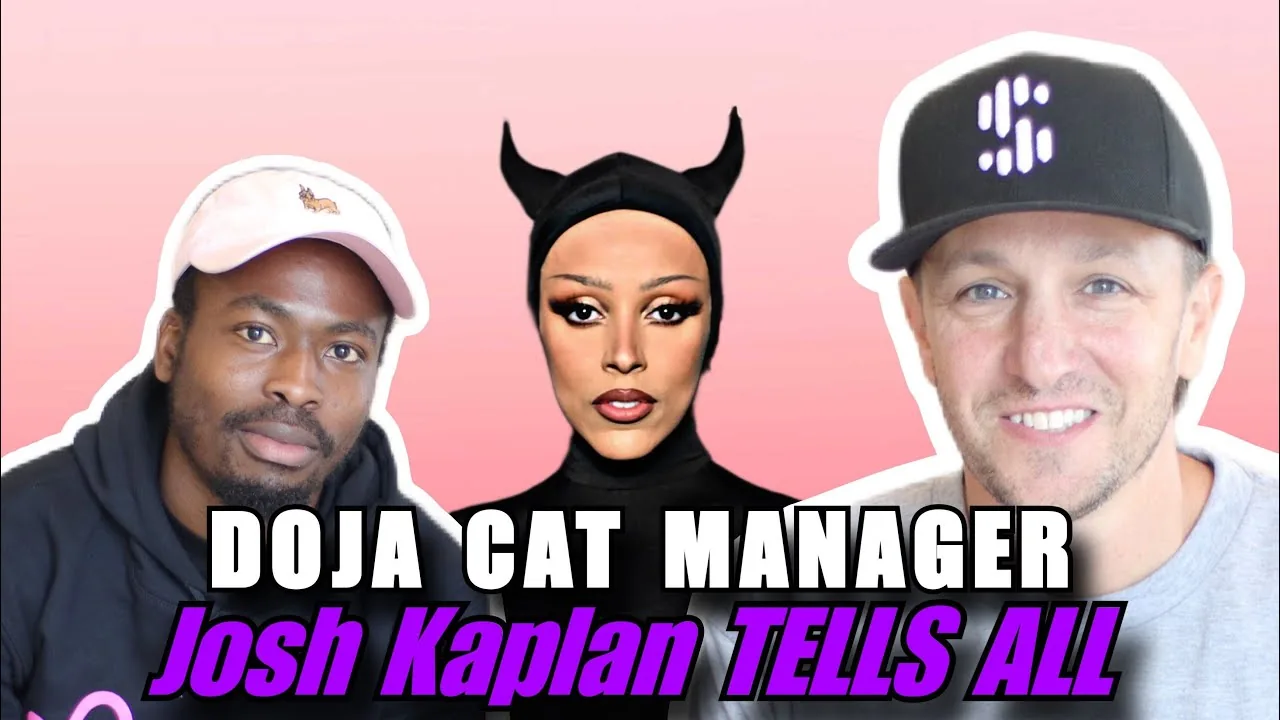
The podcast brought Doja Cat's manager, VIC MENSA, Taylor Bennett and the managers of Smino and Wyatt Flores into conversation with the co-founders. Those are relationships a cold email would not have opened.
Build notes
- Fanarchy with Rivet: produced, edited and distributed by me, hosted by the co-founders
- Guests included Josh Kaplan, VIC MENSA, Taylor Bennett, Chris Classick and Wyatt Flores' manager
- Fourteen long-form episodes in six months, one a week, plus the clips from each
- Product explainer reels with the co-founders on Instagram
- Numbers are from my resume at the time. This was an employment result, not client work
Fanarchy with Rivet
Scope and limits
Six months at an early-stage company. I can show the research, the messaging and the episodes. I cannot show a revenue number attached to any of it. The co-founders hosted the podcast, so the on-camera work there is theirs and the production is mine.
Matt Smith, Chicago. matt@visibilitybuddy.com